
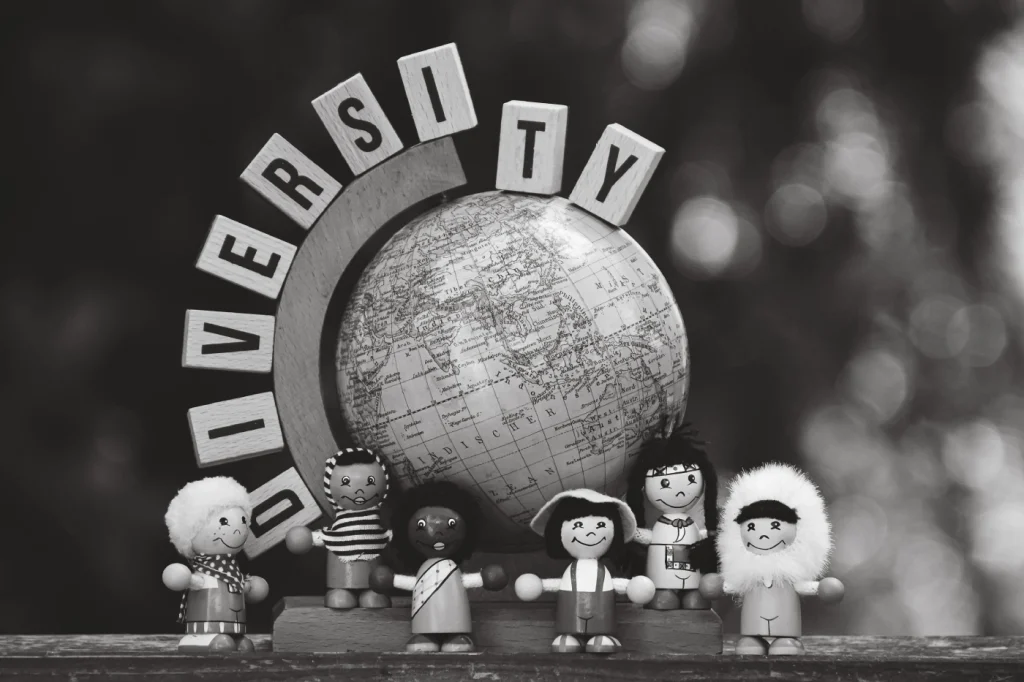
Classrooms today look very different from those of previous generations. Students often sit alongside peers from different cultural backgrounds, languages, and traditions, reflecting the increasingly connected and diverse world they will grow up in. Understanding why cultural awareness and diversity education matter for students today goes beyond simply being polite or tolerant — it shapes how children think, communicate, and collaborate throughout their lives. Many schools in Whitefield now treat cultural awareness as a core part of student development, not just an occasional theme during festivals. This blog explores why this matters and how schools and families can nurture it meaningfully.
What Is Cultural Awareness and Diversity Education?
Cultural awareness refers to understanding and respecting differences in traditions, beliefs, languages, and perspectives across various groups of people. Diversity education goes further, actively teaching students to recognise, value, and engage thoughtfully with these differences rather than simply acknowledging them.
Why This Goes Beyond Just Celebrating Festivals
Many schools have historically approached diversity through occasional cultural days or festival celebrations. While these moments have value, true cultural awareness requires consistent, everyday integration into how students learn, communicate, and resolve differences.
Why Cultural Awareness and Diversity Education Matter for Students Today
1. It Prepares Students for a Globally Connected World
Today’s students are likely to study, work, and collaborate with people from vastly different cultural backgrounds, whether locally or internationally. Early exposure to diverse perspectives builds the comfort and skill needed to navigate these interactions successfully.
2. It Reduces Bias and Stereotyping
Structured diversity education helps students recognise and challenge unconscious biases and stereotypes from an early age. This awareness fosters more respectful, open-minded interactions both inside and outside the classroom.
Many schools in Jayanagar have introduced storytelling and literature from diverse cultures specifically to help students see the world through perspectives different from their own.
3. It Strengthens Empathy and Emotional Intelligence
Learning about different cultures, struggles, and lived experiences naturally builds empathy. Students who regularly engage with diverse perspectives tend to develop stronger emotional intelligence and a deeper sense of compassion toward others.
4. It Improves Collaboration in Diverse Classrooms
Many classrooms today include students from different linguistic, cultural, and socioeconomic backgrounds. Cultural awareness helps students communicate more effectively and work together more harmoniously, reducing misunderstandings and social friction.
5. It Builds Confidence for Students From Diverse Backgrounds
When schools actively value and represent diverse cultures, students from minority or underrepresented backgrounds often feel more seen, respected, and confident in expressing their identity, which positively affects their overall school experience.
How Schools Are Building Cultural Awareness Into Everyday Learning
Forward-thinking schools integrate diversity education throughout the curriculum, rather than limiting it to special occasions.
- Including literature and case studies from diverse global authors and perspectives
- Encouraging open classroom discussions about different traditions and beliefs
- Inviting guest speakers from varied cultural and professional backgrounds
- Designing group projects that intentionally mix students from different backgrounds
- Training teachers to recognise and address unconscious bias in the classroom
Many best schools in Bangalore have adopted this integrated approach, recognising that cultural awareness is most effective when woven naturally into daily learning rather than treated as a separate subject.
How Parents Can Support Cultural Awareness at Home
Family conversations and everyday choices play a significant role in shaping how children perceive and engage with cultural diversity.
- Read books and watch shows featuring characters from diverse cultural backgrounds.
- Discuss current events thoughtfully, encouraging questions rather than dismissing them.
- Celebrate festivals from different cultures, not just your own family’s traditions.
- Encourage friendships with peers from different backgrounds.
- Model respectful curiosity rather than judgment when encountering unfamiliar customs.
Families considering best schools in Whitefield often look specifically for institutions with a genuinely diverse student body and an intentional approach to inclusive education, recognising the long-term value of this exposure.
Cultural Awareness in International and CBSE Curriculum Settings
Many CBSE schools in Whitefield Bangalore have expanded their value education and social studies components to include broader discussions on diversity, equity, and global citizenship, reflecting the growing importance of this skill set in modern education.
Conclusion
As classrooms and communities continue to grow more diverse, understanding why cultural awareness and diversity education matter for students today is essential for preparing children to thrive in an interconnected world. These lessons build empathy, reduce bias, and strengthen collaboration skills that extend far beyond the classroom. By embedding cultural awareness into everyday learning, both at school and at home, families and educators can help raise thoughtful, globally minded individuals equipped to navigate an increasingly diverse future with confidence and respect.
Frequently Asked Questions
Q1. At what age should children start learning about cultural diversity?
Children can begin learning about cultural diversity as early as preschool, through simple stories, songs, and exposure to different traditions. More nuanced discussions about bias, equity, and global perspectives are typically introduced gradually as children grow older, especially from primary school onward.
Q2. How can schools teach diversity without it feeling forced or superficial?
Diversity education works best when integrated naturally into everyday subjects like literature, social studies, and group projects, rather than confined to isolated events. Genuine representation, ongoing dialogue, and diverse staff and curriculum materials help make this education feel authentic rather than performative.
Q3. Why is cultural awareness important even in less diverse classrooms?
Even in relatively homogeneous classrooms, cultural awareness prepares students for future environments, such as college or careers, where they are likely to encounter far greater diversity. It also helps build empathy and critical thinking skills that are valuable regardless of immediate classroom composition.
Q4. Can diversity education help reduce bullying in schools?
Yes, diversity education often reduces bullying by helping students understand and appreciate differences rather than fear or mock them. Increased empathy and reduced stereotyping generally lead to more respectful peer interactions and a safer overall school environment.
Q5. How can parents reinforce cultural awareness lessons taught at school?
Parents can reinforce these lessons by discussing diverse topics at home, exposing children to different cultures through books, food, and media, and modelling respectful curiosity toward unfamiliar customs. Open, ongoing conversations help solidify what children learn in structured school settings.